
Unlocking the Benefits of a Second Passport: A Comprehensive Overview
Understanding the Concept of a Second Passport
A second passport is a travel document issued by a country to a person who is already a citizen of another nation. This document unlocks a multitude of opportunities, ranging from personal freedom to financial advantages. As globalization continues to bring the world closer, having dual citizenship can be a strategic asset.
The concept might seem foreign to some, but for others, it's a key to unlocking a world of possibilities. Whether it's for business, leisure, or personal security, a second passport can offer substantial benefits.
Why Consider a Second Passport?
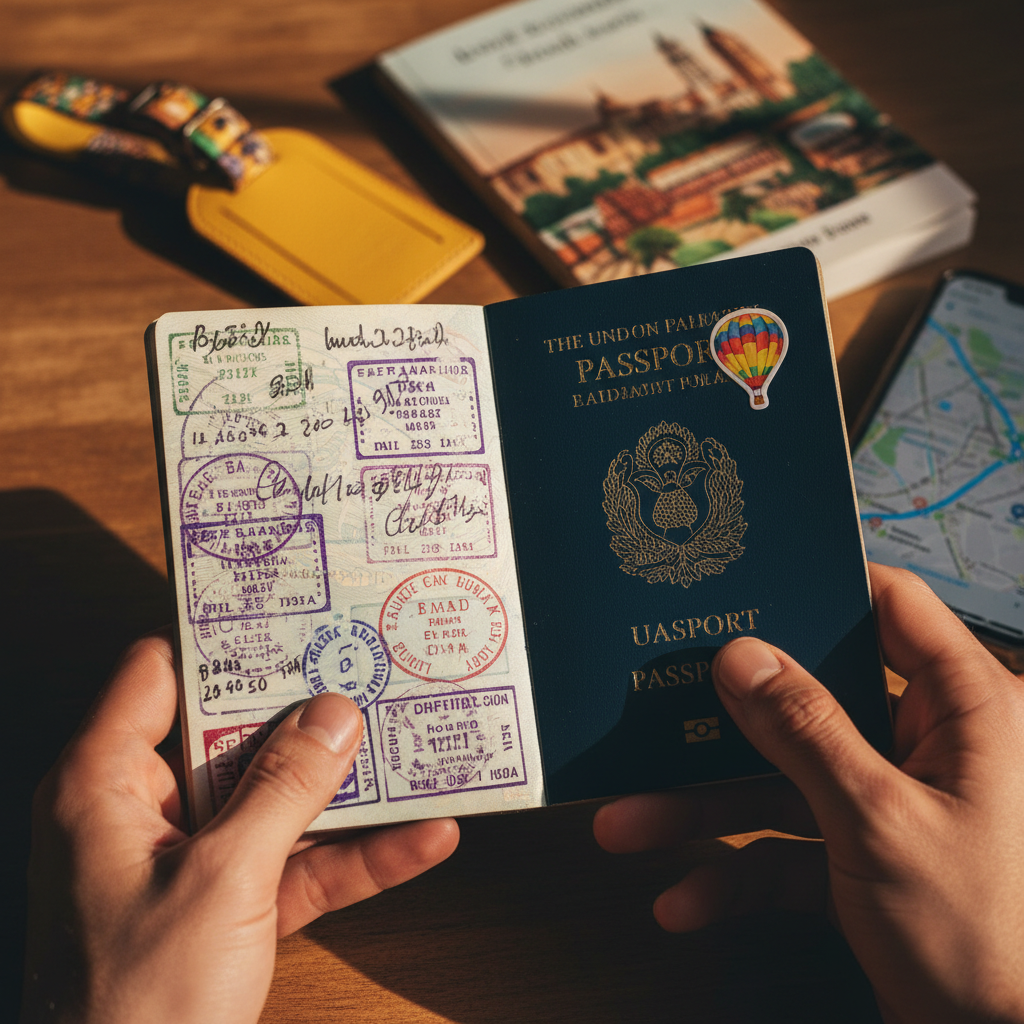
One of the primary reasons individuals seek a second passport is the freedom of travel it provides. Some passports offer visa-free or visa-on-arrival access to a larger number of countries, which can be a significant advantage for frequent travelers.
Beyond travel, a second passport can provide a sense of security and peace of mind. In times of political instability or economic downturns, having an alternative place to call home can be invaluable.
Financial and Tax Benefits
A second passport can also offer substantial financial benefits. Some countries have favorable tax laws, allowing individuals to optimize their tax liabilities. This can be a crucial consideration for entrepreneurs and business owners looking to safeguard their wealth.

Pathways to Obtaining a Second Passport
There are several pathways to obtaining a second passport, including citizenship by investment, naturalization, and ancestry. Each route has its own set of requirements and benefits, making it essential to choose the best option based on individual circumstances.
Citizenship by investment programs, for example, offer a fast track to obtaining a second passport, typically in exchange for a significant financial investment in the host country. This option is popular among high-net-worth individuals.
Naturalization and Ancestry
For those without the means to invest heavily, naturalization and ancestry can be viable options. Naturalization often requires a longer commitment, including residency and language proficiency requirements. Ancestry, on the other hand, may be available to individuals with familial ties to a specific country.

Considerations and Challenges
While a second passport offers numerous benefits, it's important to consider the potential challenges. These can include the cost of obtaining and maintaining dual citizenship, as well as potential legal and bureaucratic hurdles.
It's crucial to conduct thorough research and consult with legal experts to navigate the complexities of dual citizenship. Understanding the legal implications in both your home country and the host country is essential.
Conclusion: The Strategic Value of Dual Citizenship
In today's interconnected world, a second passport is more than a travel document; it's a gateway to greater freedom and flexibility. Whether for travel, financial advantages, or personal security, the benefits of dual citizenship are undeniable.
By understanding the various pathways and considerations involved, individuals can make informed decisions about whether pursuing a second passport aligns with their personal and professional goals.